Cultural Immersion for Solo Women Travelers
Go beyond tourist attractions with these cultural immersion experiences designed for solo female travelers -- from Moroccan cooking to Japanese tea ceremonies.
This post may contain affiliate links. Disclosure
There is a difference between visiting a country and understanding it. Visiting is checking landmarks off a list, taking photos from the outside, and experiencing a place through the protective glass of tourism. Understanding is sitting in a grandmother’s kitchen learning to fold dumplings, sleeping in a family’s spare room and sharing breakfast together, spending an afternoon in a potter’s workshop getting clay under your fingernails. It is the difference between looking at a culture and participating in it.
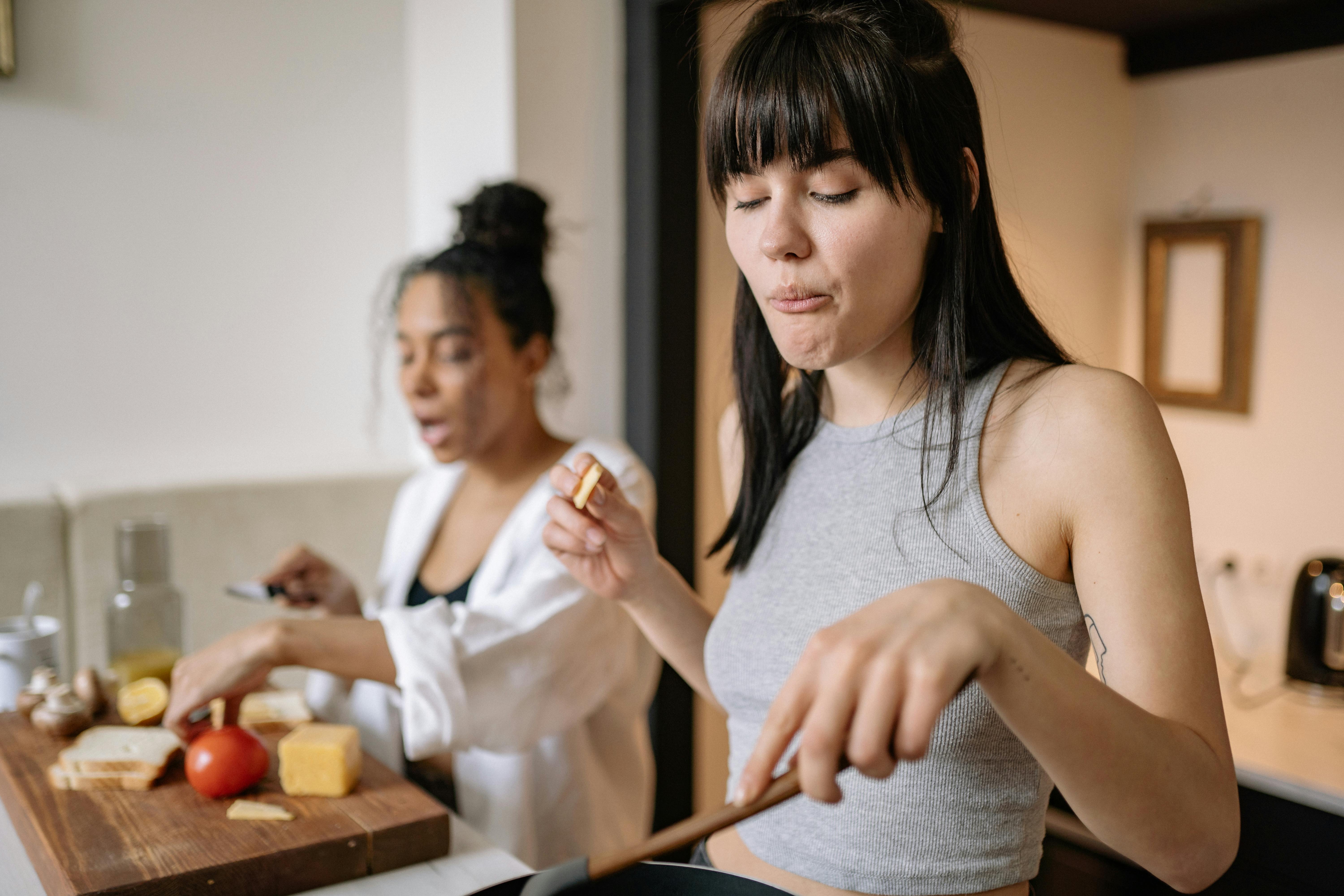
For solo female travelers, cultural immersion experiences offer something beyond depth. They offer safety through structure, connection through shared activity, and belonging through participation. A cooking class is not just a culinary experience. It is two to four hours in a welcoming, supervised environment where you are surrounded by other travelers, guided by a local expert, and engaged in an activity that naturally generates conversation and laughter. It is one of the easiest ways to meet people, learn something real about a place, and create memories that transcend the typical tourist experience.
This guide covers the best cultural immersion experiences available to solo women travelers, organized by type and destination, with practical advice on booking, safety, and getting the most from each experience.
Cooking Classes: The Universal Connector
There is a reason cooking classes consistently rank among the most popular activities for solo travelers. Food is universal. It transcends language barriers, creates instant shared purpose, and the act of cooking together bonds people faster than almost any other group activity. For women specifically, kitchens are spaces of generational knowledge, creativity, and nurturing — entering a local kitchen connects you to the domestic heart of a culture.
Thailand: Thai Farm Cooking School, Chiang Mai
Price: $30 to $45 per class Duration: Half-day or full-day What to expect: You start at a local market where your instructor teaches you to identify Thai herbs, vegetables, and spices. Then you drive to an organic farm where you pick additional ingredients. The cooking happens in open-air kitchens surrounded by gardens. You make four to five dishes, including curry paste from scratch, pad thai, and mango sticky rice. The class size is usually 8 to 12 people.
Why solo women love it: The market tour and farm visit create natural conversation starters with other participants. By the time you are cooking together, you already feel like a group. Many solo travelers report exchanging contact information and continuing to travel together after the class.
Morocco: Cooking Classes in the Medina, Marrakech and Fez
Price: $35 to $80 per class Duration: 3 to 5 hours What to expect: Many classes in Morocco are taught by local women in their own homes, which provides a level of cultural intimacy that a restaurant-based class cannot match. You learn to make tagine, couscous, pastilla, and traditional Moroccan salads. Some classes include a trip to the local souk to buy ingredients, guided by your host.
Why solo women love it: Morocco can feel overwhelming for solo women, particularly in the medinas. A cooking class in a local home provides a safe, structured environment for cultural exchange. Female-led classes offer insight into Moroccan women’s daily lives that you simply cannot access as a casual tourist.
Italy: Pasta-Making With Nonnas, Various Cities
Price: $50 to $120 per class Duration: 2 to 4 hours What to expect: The nonna experience has become one of Italy’s most beloved cultural offerings. Elderly Italian women teach small groups how to make fresh pasta by hand, often in their own homes or in traditional kitchens. The focus is as much on storytelling and tradition as it is on technique. Classes typically end with everyone sitting down to eat what they have made together, accompanied by local wine.
Why solo women love it: The intimate setting, the generational wisdom, and the shared meal create genuine emotional connections. Many women describe these classes as the highlight of their Italian travels.
Peru: Cusco Culinary Experiences
Price: $25 to $65 per class Duration: 3 to 5 hours What to expect: Peruvian cuisine is one of the most complex and celebrated in the world, and Cusco’s cooking classes introduce you to ingredients and techniques that are genuinely unfamiliar to most Western travelers. You might work with quinoa, purple corn, aji peppers, and cuy (guinea pig, for the adventurous). Classes often begin with a market visit and include a pisco sour-making session.
Why solo women love it: The combination of unfamiliar ingredients, altitude-adjusted cooking techniques, and Andean culinary philosophy makes these classes genuinely educational rather than performative.
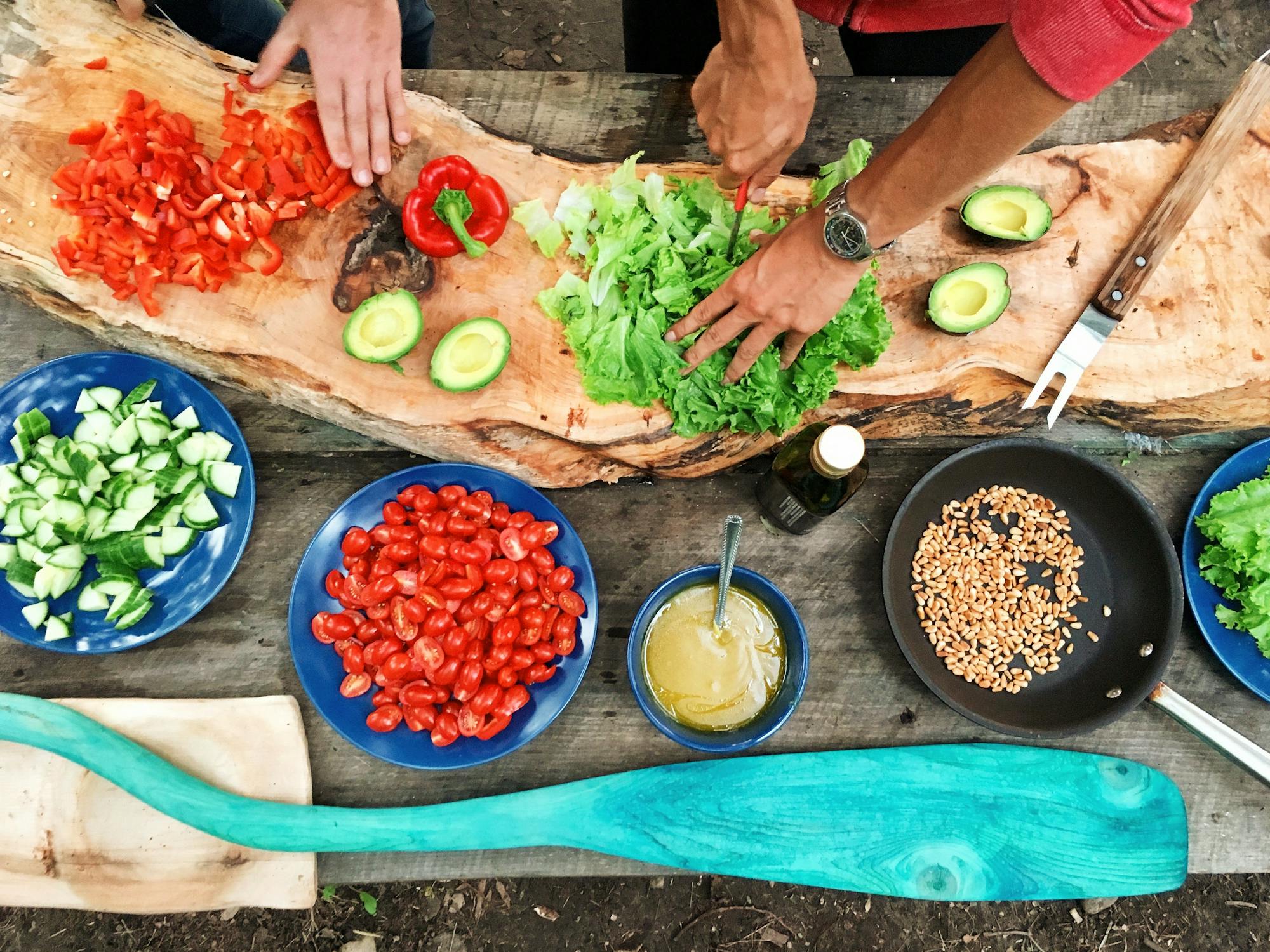 Photo credit on Pexels
Homestays: Living With Locals
A homestay is the most immersive cultural experience available to travelers. You sleep in a local family’s home, eat their food, and participate in their daily routines. The cultural learning is profound and constant — from observing family dynamics to understanding local eating habits to picking up conversational phrases in the local language. For solo women, homestays offer the paradoxical combination of independence and family. You have the freedom of traveling alone but the security and companionship of a household.
Vietnam: Stilt House Homestays, Sapa and Mai Chau
Price: $15 to $35 per night including meals What to expect: In the mountainous regions of northern Vietnam, ethnic minority families open their traditional stilt houses to travelers. You sleep on mattresses on the floor, eat home-cooked Vietnamese meals with the family, and often participate in daily activities like rice planting, fabric weaving, or market visits. The experience is authentic and deeply personal.
Safety for solo women: Vietnam is generally very safe for solo female travelers. Homestay families are vetted and registered with local authorities. The communal sleeping arrangements may feel unfamiliar, but the family environment provides a strong safety net. Female solo travelers are common and welcomed.
Japan: Temple Stays (Shukubo)
Price: $50 to $150 per night including meals What to expect: Buddhist temples across Japan, most famously on Mount Koya (Koyasan), offer overnight stays that include traditional vegetarian monk cuisine (shojin ryori), meditation sessions, morning prayer ceremonies, and calligraphy or tea ceremony experiences. The rooms are traditional tatami mat spaces with futon bedding.
Safety for solo women: Japan is one of the safest countries in the world for women. Temple stays are highly structured and supervised. The atmosphere is contemplative and respectful, making this one of the most comfortable immersion experiences for women traveling alone.
India: Village Homestays, Rajasthan and Kerala
Price: $20 to $60 per night including meals What to expect: In Rajasthan, homestays range from havelis (traditional mansions) to simple rural homes. In Kerala, you might stay in a family home surrounded by spice gardens and coconut groves. Both regions offer insight into traditional family life, local cuisine, and cultural practices that hotels and hostels cannot provide.
Safety for solo women: India requires more safety awareness than Japan or Vietnam, but reputable homestay networks provide vetted, safe environments. Book through established platforms like Homestay.com, Airbnb (checking reviews from solo women specifically), or local tourism cooperatives. The family environment of a homestay adds a significant layer of security compared to staying alone in a hotel.
Morocco: Riad Stays and Berber Homestays
Price: $30 to $100 per night including meals What to expect: While riads in Marrakech are essentially boutique hotels, rural Berber homestays in the Atlas Mountains or Sahara fringe offer genuine cultural immersion. You share meals with the family, learn about Berber traditions, and may participate in bread-making, carpet-weaving, or agricultural activities. The hospitality is legendary.
Safety for solo women: Rural Morocco is generally safer for women than the big cities. Homestay families take the hosting relationship seriously and will often go out of their way to ensure female guests feel comfortable and protected.
Craft and Artisan Workshops
Pottery in Oaxaca, Mexico
Price: $30 to $80 per workshop Duration: 3 to 6 hours
Oaxaca is one of Mexico’s richest artisan regions. Pottery workshops teach you traditional techniques including barro negro (black clay) and barro rojo (red clay) methods that have been practiced for centuries. Many workshops are run by female artisans who welcome solo travelers.
Batik in Yogyakarta, Indonesia
Price: $15 to $40 per workshop Duration: 2 to 4 hours
Batik fabric-making is a UNESCO-recognized Indonesian art form. In Yogyakarta, workshops teach you the wax-resist dyeing technique used to create intricate patterns on fabric. You create your own batik piece to take home. The workshops are typically small and personal.
Calligraphy in Kyoto, Japan
Price: $40 to $80 per workshop Duration: 1 to 2 hours
Japanese calligraphy (shodo) is a meditative art that requires focus, breath control, and an appreciation for the beauty of imperfection. Workshops in Kyoto teach basic brush techniques and allow you to create your own piece. The practice itself is deeply calming.
 Photo credit on Pexels
Volunteering as Cultural Immersion
Volunteering combines cultural immersion with meaningful contribution. For solo women, structured volunteer programs provide safety, community, and purpose.
Teaching English
Organizations like IVHQ, Workaway, and Worldpackers connect solo travelers with English-teaching opportunities in schools, community centers, and informal settings across Asia, Africa, and Latin America. Placements typically include accommodation and meals. The time commitment ranges from a few hours daily (leaving ample time for exploration) to full-day programs.
Conservation Projects
Wildlife conservation, marine protection, and environmental projects provide immersive experiences in stunning natural settings. For more on traveling responsibly, see our eco-friendly travel guide for women. Organizations like GVI, Projects Abroad, and Conservation Volunteers offer structured programs with accommodation, training, and supervision. Popular options include sea turtle conservation in Costa Rica, elephant sanctuary work in Thailand, and coral reef monitoring in the Maldives.
Women’s Empowerment Projects
Some of the most meaningful volunteer experiences for solo women involve supporting women’s organizations abroad. Teaching computer skills at a women’s cooperative in Guatemala, supporting a girls’ education program in Nepal, or working with a women’s craft collective in Kenya connects you to local women’s lives in a way that tourism alone cannot achieve.
Language Immersion Programs
Learning a language in the country where it is spoken combines cultural immersion with a practical skill. For solo women, language schools provide daily structure, a built-in social group, and a reason to interact with locals beyond the transactional exchanges of tourism.
Spanish in Guatemala (Antigua or Quetzaltenango): Guatemala offers some of the most affordable and high-quality Spanish immersion programs in the world, with one-on-one instruction starting at $150 to $200 per week. Many schools include homestays with local families.
French in France (Montpellier or Nice): Southern France combines language learning with Mediterranean lifestyle. Intensive programs run $300 to $600 per week and are typically attended by a mix of international students, providing instant community.
Japanese in Tokyo or Kyoto: Japanese language schools offer structured programs from two weeks to several months. The combination of studying Japanese and experiencing daily life in Japan creates an immersion depth that casual travel cannot match.
Arabic in Morocco (Fez or Rabat): Arabic immersion programs in Morocco combine Modern Standard Arabic or Darija (Moroccan Arabic) instruction with cultural activities, cooking classes, and guided excursions.
Traditional Ceremonies and Spiritual Experiences
Beyond cooking classes and homestays, some of the most profound cultural immersion experiences are participatory ceremonies and spiritual practices.
Tea Ceremony in Japan
A traditional Japanese tea ceremony (chado) is a meditative ritual that transforms the simple act of preparing and drinking tea into an art form. The deliberate, precise movements, the aesthetic attention to every detail of the room and utensils, and the philosophy of “ichigo ichie” (one encounter, one chance) make this a contemplative experience that resonates deeply with solo travelers. Ceremonies in Kyoto range from $20 to $80 and last 45 minutes to 2 hours.
Temazcal in Mexico
A temazcal is a traditional Mesoamerican sweat lodge ceremony involving steam, medicinal herbs, chanting, and guided meditation. Led by a traditional healer, the ceremony is designed for purification and renewal. Many women’s retreats in Mexico include temazcal as part of their programming. Stand-alone ceremonies are available in Oaxaca, Tulum, and San Cristobal de las Casas for $30 to $60.
Water Purification in Bali
The melukat ceremony at Tirta Empul temple involves ritual cleansing under fountains of holy spring water. Participants move through a series of fountains, each with a different spiritual purpose. The experience is both physically refreshing and spiritually significant. Modest dress is required (sarong and sash), and following a local guide’s instructions ensures you participate respectfully.
Meditation Retreats in India and Nepal
From Vipassana centers in Dharamsala to Buddhist monasteries in Kathmandu Valley, South Asia offers meditation experiences ranging from single sessions to multi-week residential retreats. Many are donation-based, making them accessible to budget travelers. The structure and supervision of organized retreats provide a safe framework for solo women.
How to Book Safely
Use established platforms. Airbnb Experiences, Viator, GetYourGuide, and Cookly vet their providers and offer customer protections. For homestays, Homestay.com, Airbnb, and regional platforms like Stay Japan or Homestayweb provide reviews and booking protections.
Read reviews from solo women specifically. Search for terms like “solo,” “alone,” “female,” and “woman” in reviews. Other solo women’s experiences are the best predictor of yours.
Confirm group dynamics. Before booking, ask whether the class or experience includes other participants or if you will be alone with the instructor. For some activities, being in a group is part of the appeal. For others, a private experience may be more comfortable.
Share your plans. Tell someone where you are going, who is hosting you, and when you expect to return. This is standard solo travel practice and is especially important for homestays and experiences in private homes.
Trust your instincts on arrival. If a homestay, workshop, or experience feels wrong when you arrive, you have every right to leave. Your comfort and safety take priority over politeness, deposits, or social expectations.
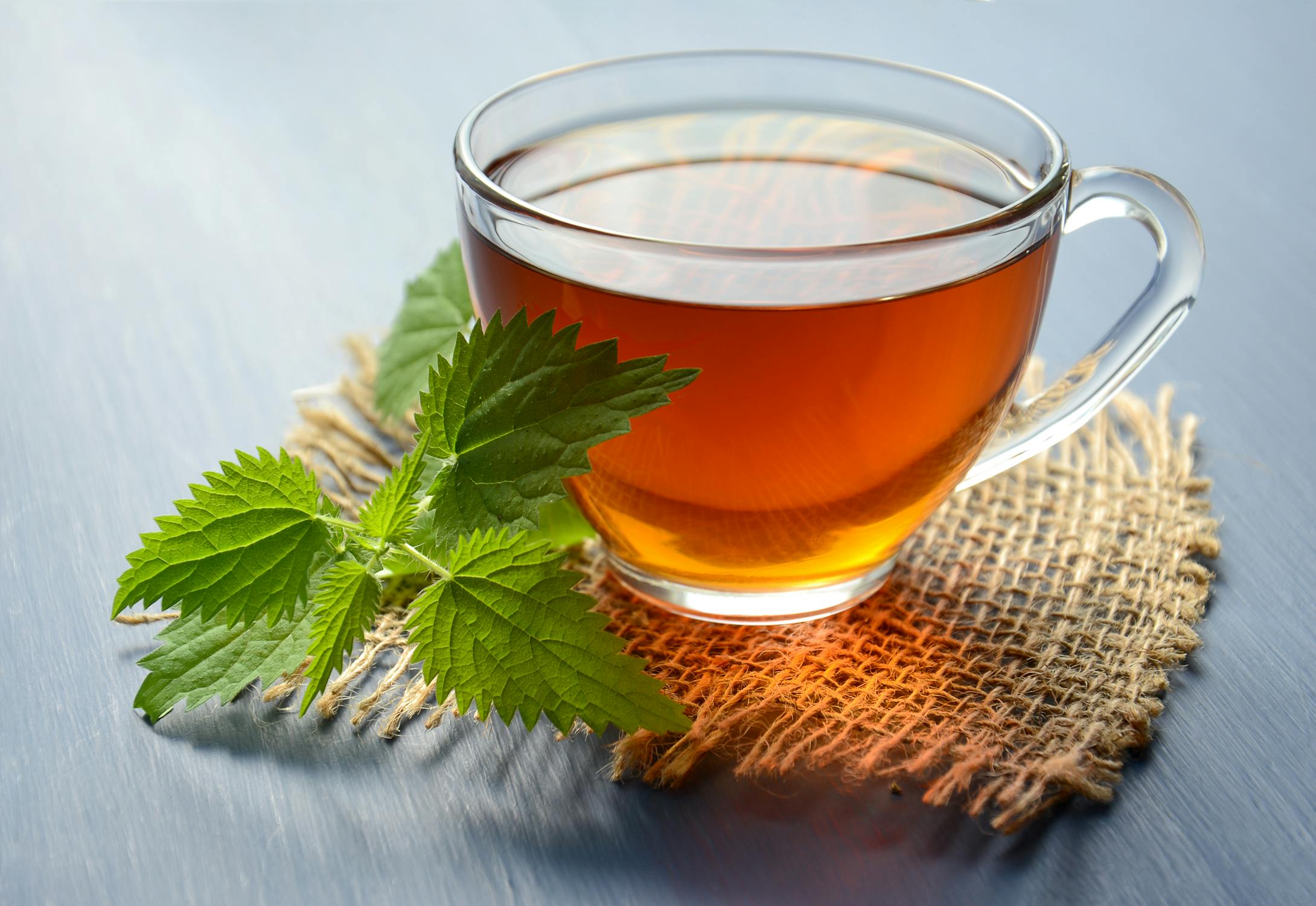 Photo credit on Pexels
What to Know Before You Go
Cultural immersion requires cultural humility. Destinations like Bali and Japan offer some of the richest immersive experiences for solo women. You are entering someone else’s home, kitchen, workshop, or sacred space. Dress appropriately, follow local customs, ask before photographing, eat what is offered (or politely explain dietary restrictions), and approach every experience with genuine curiosity rather than entitlement.
The most transformative travel experiences are rarely the ones that look best on Instagram. They are the quiet moments: learning to fold dumplings from a grandmother who does not speak your language, watching the sunrise from a temple rooftop during morning prayers, sharing a meal with a family who invited you to their table simply because hospitality is woven into their culture.
These experiences are available to you as a solo woman. They are waiting in kitchens and workshops and village homes around the world. All you have to do is show up, be present, and participate. Start with a solo meal at a local restaurant using tips from our solo dining guide.
Related Reading
Get the best HerTripGuide tips in your inbox
Weekly guides, deals, and insider tips. No spam, unsubscribe anytime.