The Complete Digital Nomad Guide for Women in 2026
Everything women need to know about becoming a digital nomad: best destinations, visa options, safety tips, coworking spaces, and community building.

This post may contain affiliate links. Disclosure
The digital nomad lifestyle has never been more accessible for women. Remote work has gone from a pandemic necessity to a permanent feature of the professional landscape, and the infrastructure supporting location-independent workers has matured dramatically. In 2026, over 40 countries offer dedicated digital nomad visas, coworking spaces exist in cities you have never heard of, and communities of women building location-independent careers have grown from niche online forums into thriving global networks.
But the digital nomad experience is not gender-neutral. Women face specific challenges around safety, accommodation, community building, and professional credibility that the typical “work from anywhere” guides do not address. This guide is designed to fill that gap. Whether you are considering your first month abroad or you are a seasoned nomad looking for your next base, this is the practical, women-specific information you actually need.
Is the Digital Nomad Life Right for You?
Before diving into logistics, it is worth asking some honest questions. The Instagram version of digital nomadism — laptops on beaches, sunset coworking sessions, bottomless brunches in exotic cities — is misleading. The reality involves a lot of time alone in front of a screen, occasional loneliness, administrative complexity, and the challenge of maintaining relationships across time zones. The women who thrive as digital nomads tend to share a few characteristics: they are self-disciplined enough to work without external structure, they are comfortable spending time alone, they are adaptable when things go wrong (and things always go wrong), and they have work that genuinely can be done remotely without requiring specific hours in a specific time zone.
If you need significant in-person collaboration, if you struggle with unstructured time, or if you are running away from problems at home rather than toward a life you actively want, the nomad lifestyle may amplify rather than solve those challenges.
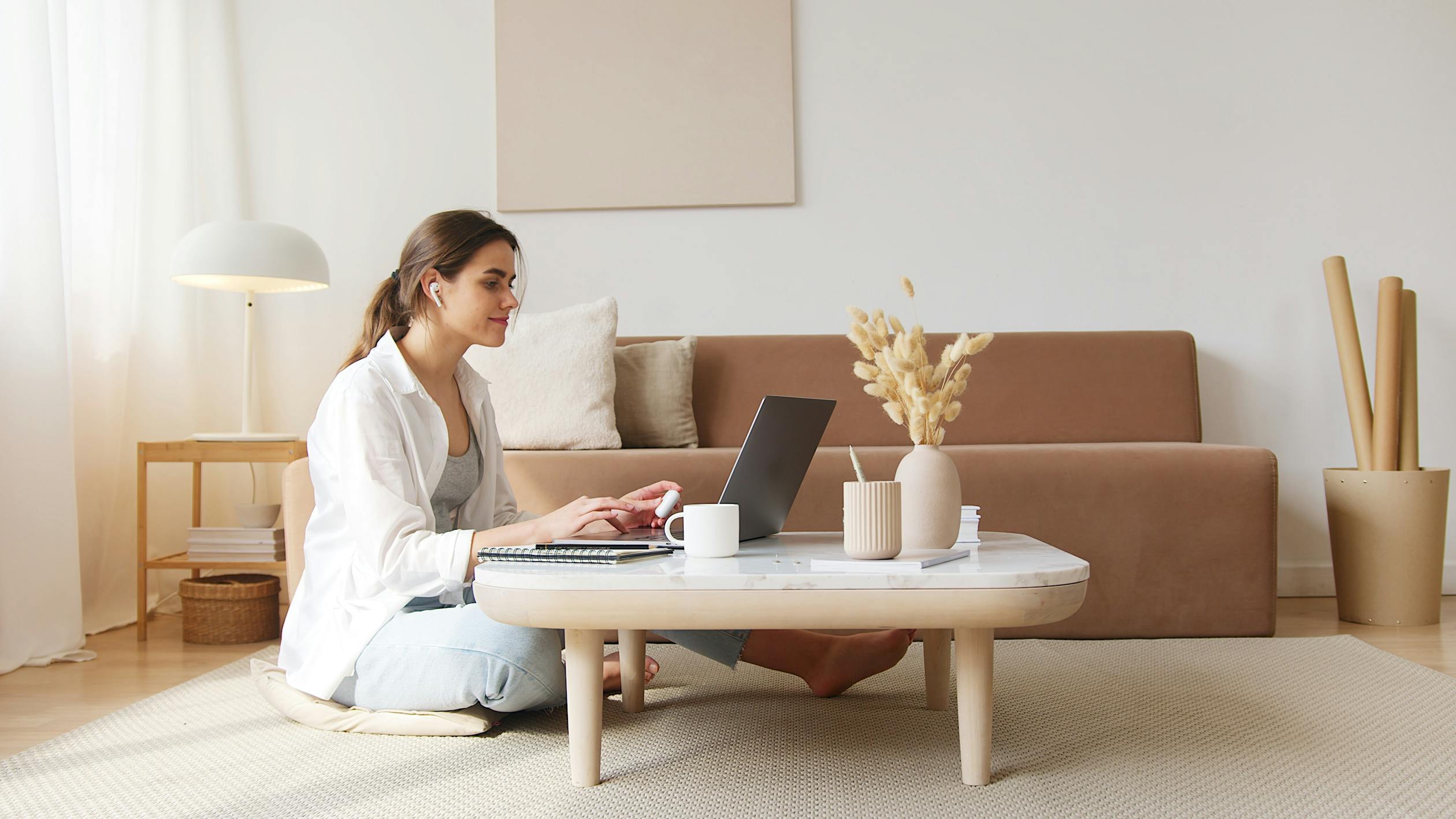 Photo credit on Pexels
Best Digital Nomad Destinations for Women in 2026
Chiang Mai, Thailand
Monthly Budget: $800 to $1,500 Visa: 60-day tourist visa on arrival, extendable; Long-Term Resident (LTR) visa available Safety Rating: High Internet Speed: 50-100+ Mbps
Chiang Mai remains the undisputed capital of the digital nomad world, and for good reason. The cost of living is remarkably low, the internet is fast and reliable, and the coworking scene is the most developed in Southeast Asia. A comfortable one-bedroom apartment runs $300 to $500 per month, a coworking desk costs $100 to $150 monthly, and you can eat well for $5 to $10 per meal.
For women specifically, Chiang Mai offers a welcoming environment with a large existing community of female nomads. The city is generally safe for women walking alone, even at night, and the Thai culture of non-confrontation means harassment is rare. The Women’s Digital Nomad community in Chiang Mai runs regular meetups, skill-sharing sessions, and social events.
Best Coworking Spaces: Punspace (multiple locations), CAMP at Maya Mall (free with coffee purchase), Yellow Coworking Women’s Community: NomadHer meetups, Women in Tech Chiang Mai, Facebook groups for female nomads in CM
Lisbon, Portugal
Monthly Budget: $1,800 to $3,000 Visa: D8 Digital Nomad Visa (requires proof of $3,500+/month income) Safety Rating: Very High Internet Speed: 100+ Mbps
Lisbon combines European safety and culture with a cost of living that remains below London, Paris, or Amsterdam. Portugal’s dedicated Digital Nomad Visa (the D8) allows remote workers to live legally in the country for up to a year, with a pathway to renewal. The city’s startup scene has boomed since Web Summit relocated there, bringing with it excellent coworking infrastructure and a tech-savvy international community.
For women, Lisbon is one of the safest capital cities in Europe. Public transit is extensive and safe at all hours, neighborhoods are walkable and well-lit, and the local culture is genuinely welcoming to foreigners. The expat community includes a strong contingent of women entrepreneurs and freelancers.
Best Coworking Spaces: Second Home, Outsite, Heden, Impact Hub Lisbon Women’s Community: Women in Tech Lisbon, Ladies Wine Design, local meetup groups
Medellín, Colombia
Monthly Budget: $1,200 to $2,200 Visa: Digital Nomad Visa (up to 2 years, requires proof of income $750+/month) Safety Rating: Moderate to High (neighborhood-dependent) Internet Speed: 50-100+ Mbps
Medellín has transformed dramatically and now hosts one of Latin America’s most vibrant digital nomad communities. The climate is perpetual spring, the cost of living is low, and the coworking scene is excellent. El Poblado and Laureles are the two neighborhoods most popular with digital nomads, both offering walkability, restaurants, gyms, and a sense of community. Safety in Medellín requires more awareness than in Chiang Mai or Lisbon. Choose your neighborhood carefully, avoid displaying expensive electronics on the street, use Uber or InDrive rather than hailing taxis, and be cautious in nightlife settings. That said, the vast majority of female digital nomads in Medellín report feeling safe and welcome, particularly in the established expat neighborhoods.
Best Coworking Spaces: Selina, WeWork, Tinkko, Espacio Co Women’s Community: Medellín Women’s Digital Nomad Group, local language exchange events
Taipei, Taiwan
Monthly Budget: $1,500 to $2,500 Visa: Gold Card (for qualifying professionals), 90-day visa-free for many nationalities Safety Rating: Very High Internet Speed: 100+ Mbps
Taipei is one of the few Asian capitals where women report feeling safe at virtually all hours. The public transit system operates with Japanese-like efficiency, streets are well-signposted in English and Mandarin, and the culture of civic responsibility means that lost items are routinely returned and strangers genuinely want to help. The food scene alone is worth relocating for. Night markets, tea culture, dumpling restaurants, and fusion cuisine make Taipei one of the most exciting food cities in Asia. The digital infrastructure is world-class, and the Gold Card visa program offers a streamlined pathway for qualifying professionals to live and work in Taiwan for up to three years.
Best Coworking Spaces: CLBC, Kafnu, Impact Hub Taipei, Changee Women’s Community: Taipei Women in Tech, NomadHer events, international women’s groups
Valencia, Spain
Monthly Budget: $1,500 to $2,500 Visa: Spain Digital Nomad Visa (requires proof of income, valid for 1 year with renewals) Safety Rating: High Internet Speed: 100+ Mbps
Valencia is emerging as a serious alternative to Barcelona for digital nomads who want Mediterranean lifestyle without the crowds and costs. The city offers beaches, world-class food, architectural beauty, and a growing tech scene at a price point significantly below Barcelona or Madrid. The climate is ideal for outdoor living, and the old city center is one of the most walkable in Europe.
For women, Valencia feels safe and manageable. It is big enough to have excellent amenities and cultural offerings but small enough that you can build a genuine community. The local Spanish culture is warm and social, and the growing international community provides an easy entry point for newcomers.
Best Coworking Spaces: Wayco, The Shed, Start-Up Valencia, La Pinada Lab Women’s Community: Valencia International Women’s Association, digital nomad meetups
 Photo credit on Pexels
Navigating Digital Nomad Visas
The visa landscape for digital nomads has expanded dramatically. Here is a summary of the most women-friendly digital nomad visa options in 2026.
| Country | Visa Duration | Income Requirement | Application Difficulty |
|---|---|---|---|
| Portugal (D8) | 1 year, renewable | $3,500/month | Moderate |
| Spain | 1 year, renewable | $2,500/month | Moderate |
| Colombia | 2 years | $750/month | Easy |
| Estonia (Digital Nomad) | 1 year | $4,500/month | Moderate |
| Croatia | 1 year | $2,750/month | Easy |
| Barbados (Welcome Stamp) | 1 year | $50,000/year | Easy |
| Thailand (LTR) | 5-10 years | Variable | Moderate to Hard |
| Kenya (Class N) | 1 year | $2,000/month | Easy |
| Greece | 1 year, renewable | $3,500/month | Easy |
| Mexico (Temporary Resident) | 1-4 years | $2,500/month | Moderate |
Pro tip for women: Some visa applications require an in-person appointment at a consulate. Research whether you can apply remotely or need to visit in person, as this affects your planning timeline. Also check whether the visa allows you to bring dependents, if that is relevant to your situation.
Finances and Tax Considerations
Digital nomad finances are more complex than traditional employment. Here are the key areas to understand.
Tax Residency: Your tax obligations depend on your citizenship and where you spend most of your time. As a general rule, spending more than 183 days in a single country may trigger tax residency there. Consult with an international tax professional — this is not an area to wing.
Banking: Open accounts with digital-nomad-friendly banks before you leave. Wise (formerly TransferWise), Revolut, and Mercury are popular choices that offer multi-currency accounts, low foreign exchange fees, and reliable international transfers. Keep at least two bank accounts with different institutions so you always have a backup.
Health Insurance: Traditional health insurance rarely covers you abroad for extended periods. Look into SafetyWing (popular with nomads, starting around $45/month), World Nomads, or Cigna Global. SafetyWing specifically covers nomads on a monthly subscription basis with no fixed address required.
Emergency Fund: Maintain at least three to six months of living expenses in an accessible account. As a solo woman, you do not have a partner’s income to fall back on, and the possibility of needing to fly home suddenly, deal with a medical emergency, or weather a client drought is real.
Building Community as a Female Digital Nomad
Loneliness is the shadow side of the nomad lifestyle, and women often experience it differently than men. The transient nature of nomad communities means that friendships form quickly but also dissolve when someone moves to the next destination. Building sustainable community requires intentionality.
Join NomadHer. With over 30,000 women across 180 nationalities, NomadHer is the largest community specifically for solo female travelers and digital nomads. The app facilitates meetups, travel buddy matching, and city-specific advice from women who have been where you are going.
Attend coworking events. Most quality coworking spaces host regular social events, skill-sharing workshops, and community dinners. These are the easiest entry points for meeting people in a new city.
Take classes. Yoga, language, cooking, dance, art — enrolling in a recurring class gives you a reason to show up at the same place at the same time each week, which is the foundation of friendship.
Host your own events. If you arrive in a city and cannot find an existing women’s nomad community, create one. Post in local Facebook groups, coworking Slack channels, or NomadHer. You will be surprised how many women are waiting for someone else to take the initiative.
Maintain home friendships. Schedule regular video calls with people at home. The novelty of your lifestyle will eventually stop compensating for the absence of deep, long-term relationships. Stay rooted even as you roam.
 Photo credit on Pexels
Safety Considerations Specific to Female Nomads
The safety concerns for female digital nomads differ from those of short-term travelers. You are staying longer, developing routines, and becoming visible in your neighborhood. Here are the specific considerations.
Accommodation security matters more. For a week-long trip, a mediocre lock is tolerable. For a three-month stay, invest in accommodation with proper security: deadbolts, secure windows, well-lit common areas, and ideally a building with a doorman or security presence. When viewing apartments, check the locks, test the windows, and ask about building security.
Vary your routines. When you live in a place for months, you develop patterns: the same cafe every morning, the same running route, the same coworking desk. Predators look for patterns. Vary your routes, timing, and locations enough that you are not entirely predictable.
Be cautious with your address. Do not share your home address with casual acquaintances. When meeting people from apps or online communities for the first time, meet in public places. This seems obvious, but the blurred lines between friendship and acquaintance in nomad communities can lead to premature trust.
Trust your intuition about people. The nomad world attracts mostly wonderful people, but it also attracts those who see solo travelers as easy targets. If someone gives you an uneasy feeling, honor that instinct regardless of how irrational it seems.
The Remote Work Setup
Your productivity depends on your setup. Here is the equipment that female digital nomads consistently recommend.
Laptop: A lightweight, powerful machine is non-negotiable. The MacBook Air M3 and Lenovo ThinkPad X1 Carbon are popular choices for their combination of power, weight, and battery life.
Portable monitor: A USB-C portable monitor (like the ASUS ZenScreen) doubles your workspace and weighs under two pounds. For anyone doing design, development, writing, or analysis, the productivity boost is dramatic.
Noise-canceling headphones: Essential for coworking spaces, cafes, and flights. The Sony WH-1000XM5 and Apple AirPods Max are the current standards.
Portable charger: A 20,000mAh power bank keeps your phone alive through long days away from outlets. Anker makes the most reliable options.
VPN: A reliable VPN protects your data on public Wi-Fi and gives you access to content restricted by geography. NordVPN and ExpressVPN are the most popular among nomads.
Ergonomic accessories: A laptop stand, portable keyboard, and compact mouse prevent the neck and wrist problems that plague digital workers. The Roost laptop stand is lightweight and packable.
What to Know Before You Go
Start with a one-month test. Do not sell everything and commit to full-time nomadism based on a fantasy. Choose one city, book accommodation for a month, and see how you actually feel about working remotely in an unfamiliar environment. If it works, extend. If it does not, you have learned something valuable at low cost.
Build your income before you leave. Trying to find remote work while simultaneously adjusting to life abroad is a recipe for stress and financial anxiety. Establish your income stream, build a financial buffer, and then make the move.
Handle logistics at home first. Address your mail forwarding, tax situation, health insurance, and any obligations that require a fixed address before you leave. These administrative tasks are far more difficult to manage from abroad.
Tell your bank. Set travel alerts on all your cards and ensure you have backup payment methods. Being locked out of your bank account in a foreign country is a crisis that is entirely preventable.
The digital nomad lifestyle is not for everyone, and it does not have to be permanent to be valuable. Portugal is one of the best starting points for digital nomad women in 2026. Even six months of working from abroad can expand your worldview, build your confidence, and clarify what you actually want from your life and career. The infrastructure in 2026 makes it more accessible than ever. The rest is up to your courage and planning. Our budget solo travel guide can help stretch your income further while abroad.
Related Reading
Get the best HerTripGuide tips in your inbox
Weekly guides, deals, and insider tips. No spam, unsubscribe anytime.