Japan Solo Female Travel Guide for 2026
The complete guide to traveling Japan alone as a woman -- from navigating Tokyo's trains to onsen etiquette, budget tips, and the safest neighborhoods.

This post may contain affiliate links. Disclosure
Japan is, by almost every measure, the best country in the world for a solo female traveler’s first international trip. The safety is extraordinary: violent crime against tourists is virtually nonexistent, public spaces are clean and well-maintained, the public transit system is the most reliable on the planet, and the culture of respect and non-confrontation means that harassment is rare.
But Japan is also one of the most culturally complex countries you will visit. The etiquette rules, the language barrier, the social norms, and the sheer density of things to see and do can feel overwhelming without guidance. This guide covers everything a solo woman needs to know to navigate Japan confidently, respectfully, and economically in 2026.
Why Japan Is Perfect for Solo Women
Safety. Japan consistently ranks among the top three safest countries in the world. Women walk alone at night, ride trains at all hours, and navigate cities with a level of personal safety that is genuinely remarkable. Lost wallets are routinely returned with all contents intact. Lost-and-found offices at train stations contain thousands of items patiently waiting for their owners.
Solo-friendly infrastructure. Japan’s culture does not stigmatize being alone. Single-serving restaurants, solo-friendly capsule hotels, one-person karaoke booths, and individual dining counters are everywhere. You will never feel awkward eating alone, traveling alone, or doing activities alone because the infrastructure is built to accommodate it.
Public transit. The train system is a marvel. Trains run on time to the minute. Stations are signposted in English and Japanese. The Japan Rail Pass gives you unlimited travel on JR trains including the Shinkansen (bullet train). IC cards (Suica/Pasmo) work on virtually all buses and trains. You can traverse the entire country without ever needing a car or taxi.
Cleanliness. Public restrooms are clean and well-stocked. Streets are litter-free. Accommodations are immaculate. For solo women who care about hygiene and comfort, Japan sets the global standard.
 Photo credit on Pexels
Planning Your Itinerary
Two-Week Suggested Itinerary
Days 1-4: Tokyo Explore Shibuya, Shinjuku, Harajuku, and Asakusa. Visit the Meiji Shrine, wander through Tsukiji Outer Market, experience Akihabara’s electric town, and spend an evening in the Golden Gai bars of Shinjuku. Take a day trip to the teamLab exhibitions.
Days 5-6: Hakone or Nikko (Day Trip or Overnight) Hakone offers hot springs (onsen), views of Mount Fuji, and a peaceful escape from Tokyo. Nikko features UNESCO World Heritage shrines and stunning autumn foliage. Both are easily accessible by train.
Days 7-9: Kyoto Explore Fushimi Inari Shrine (the famous thousand red gates), Kinkaku-ji (Golden Pavilion), Arashiyama bamboo grove, and the Gion geisha district. Rent a bicycle and spend a day cycling between temples. Take a traditional tea ceremony class and explore the Nishiki Market.
Days 10-11: Osaka Osaka is Japan’s food capital. Spend your time eating: takoyaki (octopus balls), okonomiyaki (savory pancakes), and street food in Dotonbori. Visit Osaka Castle and explore the vibrant Shinsekai district.
Days 12-13: Hiroshima and Miyajima Island Visit the Peace Memorial Museum and Park. Take the ferry to Miyajima Island to see the famous floating torii gate and encounter the friendly deer.
Day 14: Return to Tokyo Last-minute shopping, a final bowl of ramen, and departure.
Japan Rail Pass
The Japan Rail Pass (JR Pass) is essential for multi-city itineraries. The 14-day Ordinary Pass costs approximately $400 (50,000 yen) and provides unlimited travel on all JR trains including the Shinkansen. A single round-trip Tokyo-Kyoto Shinkansen ticket costs about $260, so the pass pays for itself quickly.
Important: The JR Pass must be purchased before arriving in Japan. Buy it online through the official JR Pass website or authorized agents. You activate it at a JR ticket office upon arrival.
Accommodation for Solo Women
Capsule Hotels
Japan’s capsule hotels are one of the most unique accommodation experiences in the world. You sleep in a pod-sized capsule, typically about 2 meters long and 1 meter high, with a curtain or door for privacy. Modern capsule hotels have evolved significantly from their salarymen origins, and many now offer women-only floors or entirely women-only properties.
Recommended women-friendly capsule hotels:
- Nine Hours (locations in Tokyo, Kyoto, Osaka): Minimalist, design-forward, with excellent women’s floors
- First Cabin (multiple locations): Slightly larger capsules with airline-inspired design
- Nadeshiko Hotel Shibuya: Entirely women-only capsule hotel in the heart of Shibuya
Price range: $25 to $60 per night
Hostels
Japan has an excellent hostel scene with many properties specifically designed for solo travelers. Look for hostels with female-only dormitories, secure lockers, and common areas that encourage socializing.
Recommended:
- Nui. Hostel & Bar Lounge (Tokyo): Beautiful converted warehouse with an excellent social bar
- The Millennials (Kyoto, Shibuya): High-tech capsule-hostel hybrid
- Piece Hostel (Kyoto): Design-focused with outstanding common spaces
Price range: $20 to $45 per night
Ryokan (Traditional Japanese Inns)
A ryokan stay is a cultural experience as much as an accommodation choice. You sleep on futon bedding on tatami mat floors, eat traditional multi-course kaiseki meals, and often have access to communal or private onsen (hot spring baths). For solo women, a ryokan provides an intimate, safe, deeply Japanese experience.
Budget tip: Many ryokans offer single-guest rates, though they may be slightly higher per person than double occupancy. Book through Booking.com or Japanese Rakuten Travel for the widest selection.
Price range: $80 to $300+ per night, typically including dinner and breakfast
Business Hotels
Japan’s business hotel chains (Toyoko Inn, APA Hotel, Dormy Inn) are efficient, clean, affordable, and perfectly suited for solo travelers. Rooms are small but well-designed with everything you need. Dormy Inn properties include complimentary onsen (hot spring baths) on the premises, which is an outstanding perk.
Price range: $40 to $100 per night
 Photo credit on Pexels
Budget Breakdown for Two Weeks
Japan has a reputation for being expensive, but solo budget travelers can visit comfortably for less than you might expect.
| Category | Budget Option | Mid-Range Option |
|---|---|---|
| Japan Rail Pass (14-day) | $400 | $400 |
| Accommodation (13 nights) | $325 (hostels) | $650 (mix of hostels and business hotels) |
| Food (14 days) | $280 ($20/day) | $560 ($40/day) |
| Activities and Entrance Fees | $100 | $250 |
| Local Transport (IC card) | $50 | $80 |
| SIM Card or eSIM | $20 | $30 |
| Total | $1,175 | $1,970 |
These figures are realistic for 2026. Japan’s cost of living has remained relatively stable, and the favorable exchange rate for many Western currencies makes it more affordable than it was a decade ago.
Eating in Japan
Solo-Friendly Dining
Japan is the best country in the world for eating alone. Most ramen shops, soba restaurants, curry houses, and conveyor belt sushi places are designed for solo diners. Counter seating is the norm, and there is zero stigma attached to eating alone.
Ramen shops: Order at a vending machine outside, hand your ticket to the chef, sit at the counter, and enjoy. No conversation required. Ichiran Ramen takes solo dining to its logical extreme with individual partitioned booths.
Conveyor belt sushi (kaiten-zushi): Grab plates as they pass your seat. No ordering interaction needed. Pay based on the number and color of plates you have accumulated.
Konbini (convenience stores): 7-Eleven, Family Mart, and Lawson are not just convenience stores in Japan. They sell genuinely delicious onigiri (rice balls), bento boxes, fresh sandwiches, salads, and hot foods at remarkably low prices. A full, satisfying meal from a konbini costs $3 to $7.
Depachika (department store basement food halls): The basement floors of Japanese department stores contain extraordinary food halls with everything from sushi to wagyu to pastries to beautifully packaged bento. Near closing time (usually 7 to 8 PM), many items are discounted 20 to 50 percent.
Food Etiquette
- Slurping noodles is expected. It signals enjoyment and helps cool the hot noodles. Do not be shy.
- Do not tip. Tipping is not practiced in Japan and can be considered rude.
- Say “itadakimasu” before eating and “gochisousama” when finished. These are expressions of gratitude for the meal.
- Do not eat while walking. Consume food where you buy it or at a designated eating area.
Onsen (Hot Springs) Etiquette
Onsen culture is one of Japan’s most treasured traditions, and solo women should absolutely experience it. Most onsen are gender-separated, which makes them safe and comfortable for women.
Before entering the bath:
- Wash thoroughly at the shower stations. Soap, shampoo, and stools are provided.
- Tie your hair up so it does not touch the water.
- Remove all clothing. Onsen are nude bathing experiences. This feels confronting for many Western women, but the atmosphere is so matter-of-fact that the initial discomfort fades within minutes.
In the bath:
- Enter slowly and soak quietly.
- Do not submerge your small towel in the water. Place it on your head or the side.
- Do not swim, splash, or make excessive noise.
Tattoo note: Many onsen prohibit entry for guests with tattoos due to associations with yakuza. If you have tattoos, look for tattoo-friendly onsen (increasingly common in tourist areas) or book a private onsen room (kashikiri-buro).
Safety Considerations
Women-Only Train Cars
During morning rush hours, many Japanese train lines offer women-only cars. These are marked with pink signage and are located at specific points on the platform. Using them is entirely optional, but during peak commuting hours when trains are extremely crowded, they provide a more comfortable experience.
Staying Out Late
Japan is remarkably safe at night. Women regularly walk alone in most neighborhoods after midnight without concern. The main exception is the red-light district of Kabukicho in Shinjuku, where aggressive touts may approach you. Walking through is not dangerous, but be prepared to firmly ignore solicitations.
Earthquakes
Japan experiences frequent earthquakes, most of which are minor. Buildings are designed to withstand significant seismic events. If an earthquake occurs, stay indoors and shelter under a desk or doorway. The Japan Meteorological Agency sends earthquake alerts directly to all phones in the country.
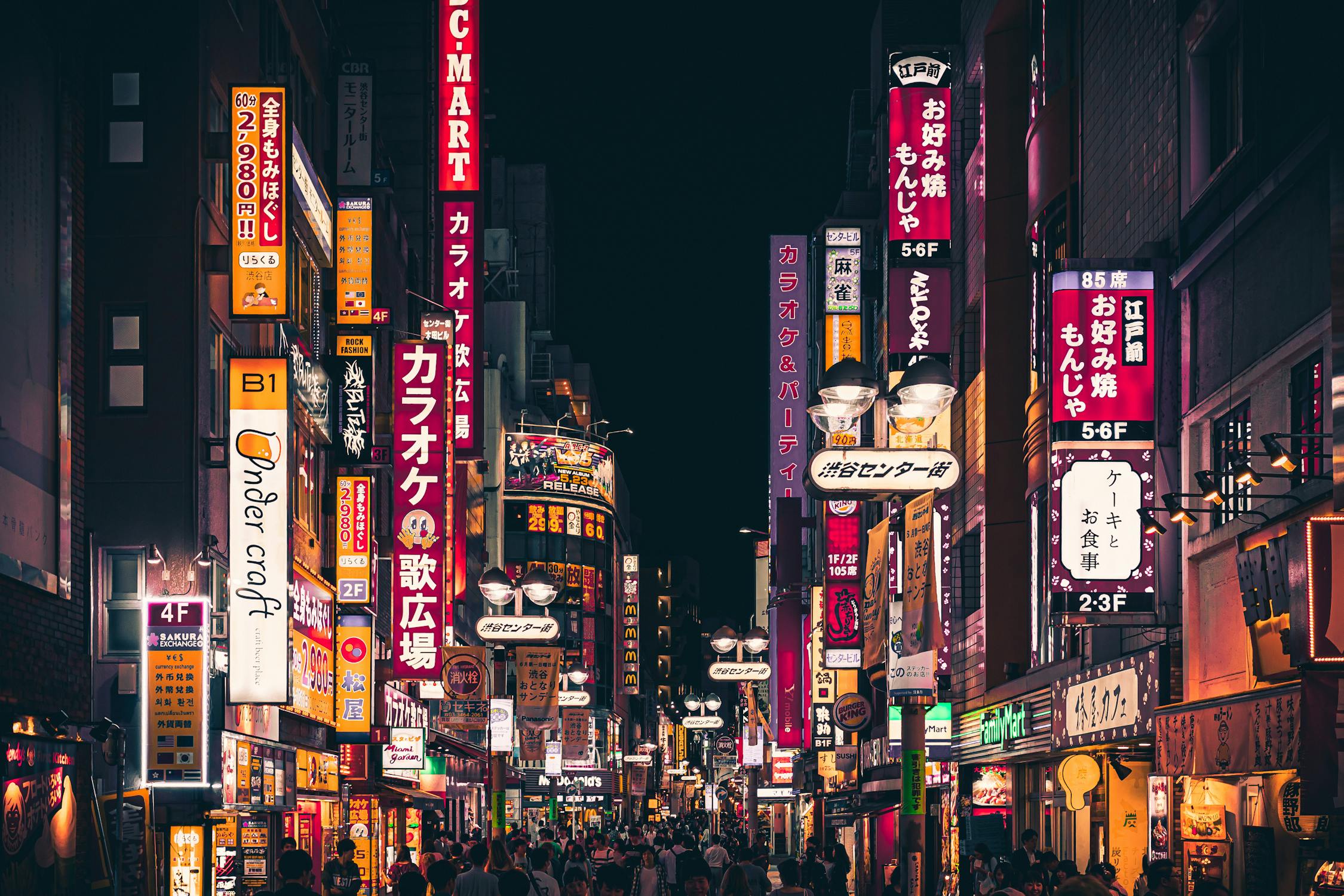 Photo credit on Pexels
Practical Tips
Cash is still important. Japan is becoming more cashless, but many small restaurants, traditional markets, shrines, and rural establishments are still cash-only. Carry 10,000 to 20,000 yen in cash at all times. 7-Eleven ATMs accept international cards reliably.
Get a SIM card or eSIM. Reliable data access is essential for navigation, translation, and communication. Purchase an eSIM before arrival (Ubigi, Airalo, or Holafly) or buy a prepaid SIM at the airport.
Download Google Translate. Download the Japanese language pack for offline use. The camera translation feature is invaluable for reading menus, signs, and train station information.
Learn basic phrases. “Sumimasen” (excuse me/sorry), “arigatou gozaimasu” (thank you very much), and “eigo de daijoubu desu ka” (is English okay?) will cover most interactions.
Trash disposal. Japan has very few public trash cans. Carry a small bag to hold your trash until you find a disposal point, typically at convenience stores or train stations.
Shoes off indoors. Remove your shoes when entering homes, ryokans, some restaurants, temples, and any space with a raised floor. Slippers are usually provided.
Quiet on trains. Phone calls on trains are considered extremely rude. Keep your phone on silent and avoid conversations above a whisper.
Best Day Trips From Tokyo and Kyoto
From Tokyo
Kamakura (1 hour by train): A seaside city with dozens of Buddhist temples and Shinto shrines, including the Great Buddha (Daibutsu), a 13-meter-tall bronze statue. The hiking trails between temples along the ridges above the city are beautiful and uncrowded. End the day at the beach in Yuigahama.
Nikko (2 hours by train): UNESCO World Heritage shrines set in a dramatic mountain forest. Toshogu Shrine is one of the most ornately decorated religious sites in Japan, with every surface covered in carved, painted, and gilded details. In autumn, the surrounding forests explode with color.
Mount Fuji and Hakone (1.5 hours by train to Hakone): On a clear day, the views of Mount Fuji from Hakone are extraordinary. Combine the views with hot spring bathing, the Hakone Open-Air Museum, and a pirate ship cruise on Lake Ashi for a full and varied day trip.
From Kyoto
Nara (45 minutes by train): Famous for the friendly deer that roam freely through the park, Nara also offers Todai-ji Temple, which houses the largest bronze Buddha in the world. The deer are genuinely tame and will bow to you for a cracker (shika senbei, available from vendors throughout the park for about $2).
Osaka (15 minutes by bullet train): Japan’s food capital is an easy side trip from Kyoto. Spend the afternoon eating your way through Dotonbori’s street food stalls: takoyaki (octopus balls), okonomiyaki (savory pancakes), and kushikatsu (deep-fried skewers).
Uji (20 minutes by train): A small city famous for matcha green tea. Visit the stunning Byodoin Temple (featured on the 10-yen coin), walk along the picturesque river, and sample matcha in every form: ice cream, soba noodles, traditional whisked tea, and matcha-dusted mochi.
What to Know Before You Go
Japan rewards the solo traveler in ways that few countries can match. The combination of extraordinary safety, world-class food, efficient transportation, deep cultural richness, and a society that genuinely respects solitude makes it a destination where being alone feels less like a compromise and more like a privilege.
You will navigate one of the world’s most complex rail systems and feel accomplished. You will eat at a ramen counter alone and feel content. Our solo dining guide for women travelers can help you embrace eating alone anywhere. You will soak in an onsen surrounded by steam and mountains and feel profoundly at peace. And you will come home knowing that you explored one of the world’s great civilizations entirely on your own terms.
That is the gift Japan gives to solo women who are brave enough to show up. For another incredible solo destination in Asia, see our Bali solo female travel guide.
Related Reading
Get the best HerTripGuide tips in your inbox
Weekly guides, deals, and insider tips. No spam, unsubscribe anytime.