How to Love Dining Alone: A Solo Female Traveler's Guide
Practical tips for eating out solo without awkwardness -- from choosing the right restaurants to mastering the art of enjoying your own company at the table.
This post may contain affiliate links. Disclosure
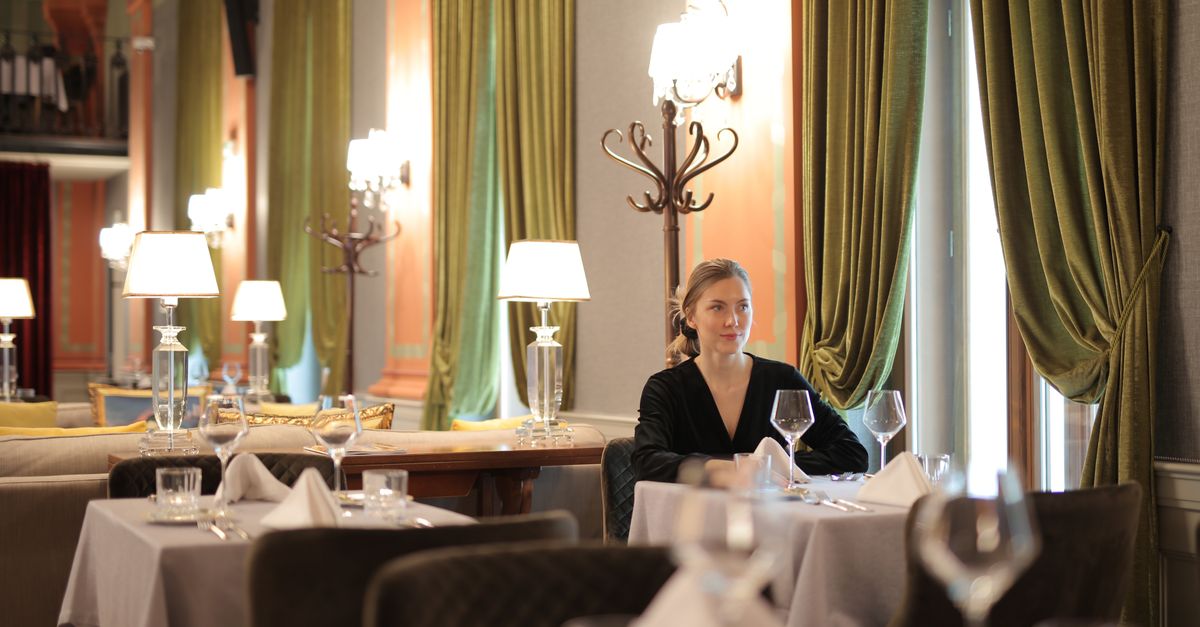
Let us address the awkward truth immediately: dining alone as a woman still feels uncomfortable for most people. There is a persistent cultural narrative that eating alone in a restaurant signals loneliness, social failure, or some kind of personal deficit. This is nonsense, of course. But knowing it is nonsense and feeling it is nonsense are two different things, especially when a host looks at you with pity and asks “just one?” or when you are seated at a tiny table near the kitchen while couples surround you at the good spots.
Solo dining is a skill. Like any skill, it gets dramatically easier with practice and the right strategies. Experienced solo female travelers will tell you that eating alone eventually becomes one of the most enjoyable parts of traveling independently. You eat what you want, when you want, at whatever pace you choose. You notice the food more. You observe the restaurant and the people around you with a clarity that conversation obscures. And there is a quiet confidence that builds each time you walk into a restaurant alone, sit down, and completely enjoy yourself.
This guide will get you there faster.
Reframing the Experience
The discomfort of solo dining is almost entirely internal. Studies consistently show that other diners pay far less attention to solo eaters than we imagine. Most people are absorbed in their own conversations and meals. The spotlight effect, our tendency to overestimate how much others notice us, is powerful but unfounded. Start reframing solo dining not as eating alone but as taking yourself on a date. You are choosing a restaurant you want to try, ordering exactly what appeals to you, and spending quality time with a person whose company you are learning to enjoy: yourself.
This mindset shift is not just feel-good advice. It changes your body language, which changes how you are treated. A woman who walks into a restaurant with confidence, makes eye contact with the host, and requests a specific table is treated differently than one who apologizes for being alone. Own it.
 Photo credit on Pexels
Choosing the Right Restaurant
Not all restaurants are equally welcoming to solo diners. Here is how to identify the ones that will make your experience pleasant.
Best Restaurant Types for Solo Women
Bar seating and counter dining. Restaurants with bar seating are a solo diner’s best friend. You face the action (the bartender, the kitchen, the other bar patrons) rather than staring at an empty chair across a table. Many upscale restaurants now offer their full menu at the bar, which means you can eat a world-class meal without feeling exposed at a two-top.
Casual and mid-range restaurants. The formality level sweet spot for solo dining is casual to mid-range. These restaurants are busy enough that you blend in, relaxed enough that no one questions your party size, and often have flexible seating arrangements.
Food markets and hawker centers. In Asia, the Middle East, and increasingly in European cities, food halls and markets are paradise for solo diners. You order from multiple stalls, sit at communal tables, and nobody is alone or accompanied — everyone is just eating. Night markets in Taiwan, hawker centers in Singapore, mercados in Mexico, and food halls in Lisbon are perfect for this.
Ramen shops and noodle bars. Japan has essentially perfected solo dining culture. Ramen shops, soba restaurants, and many izakayas are designed for individual diners. Counter seating, individual ordering, and a culture that considers solo dining completely normal make Japan the most comfortable country in the world for eating alone.
Hotel restaurants and rooftop bars. These tend to be accustomed to solo guests, particularly at breakfast and lunch. The staff is trained to serve business travelers and tourists, many of whom are alone, so the dynamic is naturally accommodating.
Restaurants to Approach With Strategy
Fine dining. Not impossible solo, but it helps to call ahead and explain that you are a solo diner who would like to be seated at the bar or at a well-positioned table rather than hidden in a corner. Many high-end restaurants actually appreciate solo diners during off-peak times because you occupy less space and often order adventurously.
Family-style restaurants. Restaurants that serve food in large shared platters can be awkward for solo diners because the portions are designed for groups. If you want the experience, ask the staff which dishes are available in individual portions or if they can adjust serving sizes.
Timing Your Meals
When you eat matters as much as where you eat.
Lunch is the easiest solo meal. Solo lunch is culturally unremarkable everywhere in the world. Business people, shoppers, and tourists eat lunch alone every day. If solo dining is new to you, start here.
Early dinner works well. Arriving at a restaurant between 5:30 and 6:30 PM means you eat before the couples-and-groups rush. The restaurant is quieter, the staff has more time for you, and you can often sit wherever you like.
Late dinner in Mediterranean cultures. In Spain, Italy, Greece, and Portugal, late dining (9 PM or later) is normal and restaurants are full of groups. But the social, bustling atmosphere actually makes solo dining easier because everyone is absorbed in their own experience.
Breakfast at your accommodation. Hotel and hostel breakfasts are universally solo-friendly. Use this as your daily anchor meal and then be more adventurous with lunch and dinner.
What to Do at the Table
The single biggest source of solo dining anxiety is the question: what do I do while I wait for my food and while I eat? Here are your options.
The Phone
There is no shame in scrolling through your phone during a solo meal. It is the modern equivalent of reading a newspaper, and nobody judges business diners who check their email over lunch. Use your phone to research your next destination, plan tomorrow’s itinerary, or simply browse. However, try putting it away for at least part of the meal. The full sensory experience of a meal — the flavors, the textures, the atmosphere of the restaurant, the sounds of the kitchen — is richer when you are not dividing your attention.
A Book or Kindle
A book is the classic solo diner’s companion and sends a clear signal that you are happily occupied. A Kindle or e-reader works equally well and is easier to manage on a small table. Some solo travelers report that having a book makes them feel less self-conscious, like a prop that explains their solitude.
A Journal
Writing while you eat is a productive use of time and a natural fit for travelers. Document the flavors you are experiencing, sketch the restaurant interior, write about your day, or plan tomorrow. Journaling at meals creates a record of your trip that photographs alone cannot capture.
People-Watching
This is the underrated superpower of solo dining. When you are not engaged in conversation, you notice everything: the couple arguing quietly at the corner table, the chef’s technique visible through the kitchen pass, the local family celebrating a birthday, the way the light falls through the window at golden hour. Solo dining makes you a better observer, and better observation makes you a better traveler.
Conversation With Staff or Neighbors
If you are feeling social, solo dining provides natural opportunities for connection. Bartenders and servers often engage more with solo diners than with groups. Your neighbor at a communal table or bar might strike up a conversation. You can ask for recommendations, compliment a dish, or simply smile and chat. These micro-interactions can become the highlights of a trip.
 Photo credit on Pexels
Solo Dining Around the World
Different cultures have different relationships with solo dining. Knowing what to expect reduces anxiety and helps you navigate local norms.
Japan
Solo dining culture is extraordinary here. Many restaurants are designed for individual diners, with counter seating as the default. Ichiran Ramen takes it to the extreme with individual partitioned booths where you eat in complete privacy. You will never feel more normal eating alone than you do in Japan.
Italy
Italians love their communal meals, but trattorias and osterias are welcoming to solo diners, especially at lunch. Sit at the bar for a quick pasta or claim a small table and take your time. Aperitivo hour (6 to 8 PM) is a great solo option: order a drink and enjoy the complimentary snacks at a bar counter.
India
Street food is the easiest solo dining option in India, with stalls everywhere serving incredible food for pennies. For sit-down restaurants, thali meals (a tray with small portions of multiple dishes) are perfect for solo diners because they are already portioned for one person.
Morocco
Eating alone in Morocco can draw attention, particularly for women. Stick to established restaurants in tourist areas, rooftop cafes, and food stalls in the medina. If you want a more immersive experience, book a cooking class, which provides a social dining experience without the vulnerability of eating alone in an unfamiliar setting.
United States
American restaurants are generally accommodating to solo diners, particularly at the bar. The culture of eating alone has been normalized significantly in recent years, and many restaurants actively cater to solo guests with bar menus, counter seating, and single-portion tasting menus.
France
The French cafe culture is inherently solo-friendly. Sitting alone at a Parisian cafe with a coffee, a croissant, and a book is not just accepted but romanticized. Brasseries and bistros welcome solo diners for meals, especially at lunch. For dinner, booking ahead and requesting bar seating is the smoothest approach.
Practical Tips That Make a Difference
Make a reservation. This signals intention and prevents the awkward walk-in moment where the host processes your solo status publicly. When booking, you can simply note “1 guest” without explanation.
Ask for a specific seat. “Could I sit at the bar?” or “I would love that table by the window” communicates confidence and ensures you get a comfortable spot rather than being relegated to whatever table is easiest for the restaurant.
Order what you actually want. Do not scale down your order because you feel self-conscious. If you want an appetizer, a main course, a glass of wine, and dessert, order all of it. You are a paying customer and your money is exactly as valuable as anyone else’s.
Tip well. Solo diners who tip generously are remembered and welcomed back. This is not bribery; it is practical recognition that you occupied a table that could have seated two or more.
Document your meals. Taking photos of your food is completely normal behavior in 2026. It also gives you something to do and creates a visual diary of your culinary journey.
Learn a few food words in the local language. Knowing how to say “delicious,” “thank you,” and “what do you recommend?” in the local language transforms your interaction with restaurant staff from transactional to personal.
 Photo credit on Pexels
Handling Unwanted Attention
Solo women dining in restaurants occasionally receive unwanted attention from other patrons. Here are strategies for handling common situations.
The persistent waiter or bartender. Friendly service is great, but if it tips into flirtation that makes you uncomfortable, polite but clear boundaries work best. “I appreciate the recommendations, but I would like to enjoy my meal quietly” is direct without being confrontational.
Unsolicited company. If someone sits at your table uninvited or inserts themselves into your meal persistently, you have every right to firmly ask them to leave. If they do not, involve the staff. A simple “I am dining alone by choice and would like my space, thank you” is clear and final.
The well-meaning couple. Other diners sometimes invite solo women to join their table out of genuine kindness. You can accept if you want company or politely decline: “That is so kind, but I am really enjoying my solo dinner. Thank you though.” No guilt, no obligation.
Staring. In some cultures, a woman dining alone will attract stares of curiosity rather than hostility. The best response is to simply not engage. Focus on your meal, your book, or your surroundings and the staring usually fades.
Building Your Solo Dining Confidence: A Progressive Plan
If the idea of dining alone in a restaurant still feels daunting, here is a graduated plan that builds your confidence through manageable steps.
Week 1 at home (before your trip): Eat lunch alone at a cafe you have never visited. Bring a book. Order what you want. Stay for at least 30 minutes. Notice how nobody notices you.
Day 1 of your trip: Eat breakfast at your accommodation (the easiest solo meal there is) and have lunch at a food market or casual counter-service restaurant where solo eating is the norm.
Day 2: Have coffee and a pastry at a sit-down cafe in the morning. For dinner, choose a restaurant with bar seating and eat there. Talk to the bartender if you feel social.
Day 3: Make a reservation at a restaurant you are genuinely excited about. Request a specific table. Order a full meal including a drink. Take your time. Notice how the experience feels different from what you feared.
Day 5: Eat wherever you want, whenever you want, without any strategic planning. By this point, the skill is established and the anxiety has largely evaporated. You are a solo diner now. Welcome to the freedom.
What to Know Before You Go
Solo dining is a gateway skill. Once you are comfortable eating alone in a restaurant, you will find that other solo activities, going to the movies alone, visiting museums alone, sitting in a park alone, all become easier. The muscle you are building is not just about dining. It is about being comfortable in your own company in public space. For more on building solo confidence, see our guide to overcoming first solo trip anxiety.
Start small. Your first solo meal does not have to be a three-course dinner at a fine dining restaurant. Have a coffee and pastry at a cafe. Eat lunch at a counter. Order a drink and appetizers at a bar. Build the muscle gradually, and within a week of solo travel. Dining alone is also one of the best ways to achieve cultural immersion in any destination, you will walk into any restaurant in the world with the confidence of someone who knows that a table for one is not a consolation prize. It is a choice.
Related Reading
Get the best HerTripGuide tips in your inbox
Weekly guides, deals, and insider tips. No spam, unsubscribe anytime.